

How to Quit Drinking When You’ve Tried Everything
You've made up your mind. You want to quit drinking.
You've tried cutting back, making rules, taking breaks, and promising yourself that this time will be different.
But you keep ending up in the same place.
And you're exhausted.
You're a successful, capable woman. You've figured out how to navigate complicated situations, build a career, and handle responsibilities most people don't even see.
So why does quitting drinking feel like the one thing you can't figure out?
You know you need help. You've probably known for a while.
But rehab doesn't feel like something you can realistically step away from your life to do. The thought of walking into an AA meeting feels intimidating. And continuing to try to quit on your own isn't working.
You don't want someone to just tell you to stop drinking. You want to understand why you keep doing something you no longer want to do.
You want to understand the patterns, the emotions, and the reasons alcohol has become such a big part of your life.
You want practical tools. Support from people who understand. And a way to make changes that actually last.
Because you're not just trying to put down the drink.
You're trying to figure out how to live your life without needing it.
You Want to Quit Drinking. So Why Is It Still So Hard?
You already know how drinking makes you feel. So why do you keep going back to it?
01 RELIEF
Shutting your brain off after a long day
03 EMOTIONS
Avoiding feelings you don’t know how to handle
02 PRESSURE
Escaping the expectations you put on yourself
04 ROUTINE
Reaching for alcohol because it’s familiar
Knowing you want to quit drinking and understanding what keeps bringing you back are two different things.
Alcohol can also create physical dependence, which may require medical support. Understanding the emotional patterns is one important part of the bigger picture.
Why Making More Drinking Rules Isn’t Working
You’re used to solving problems by making a plan. So naturally, that’s what you tried with alcohol.
What You've Tried
❌ No drinking during the week
❌ Only two drinks
❌ Never drink alone
❌ Take 30 days off
❌ Start again on Monday
What Also Needs Attention
➕ What triggers your urge to drink
➕ How you handle stress
➕ The pressure you put on yourself
➕ What alcohol helps you avoid
➕ Building support and coping skills
You don’t need another set of drinking rules. You need to understand what’s keeping you stuck.
Changing your relationship with alcohol can involve more than changing how much you drink. It's also about developing new ways to respond to the situations that make you want to reach for it.
THE STRUGGLE NO ONE SEES
Why Successful Women Struggle to Quit Drinking in Silence
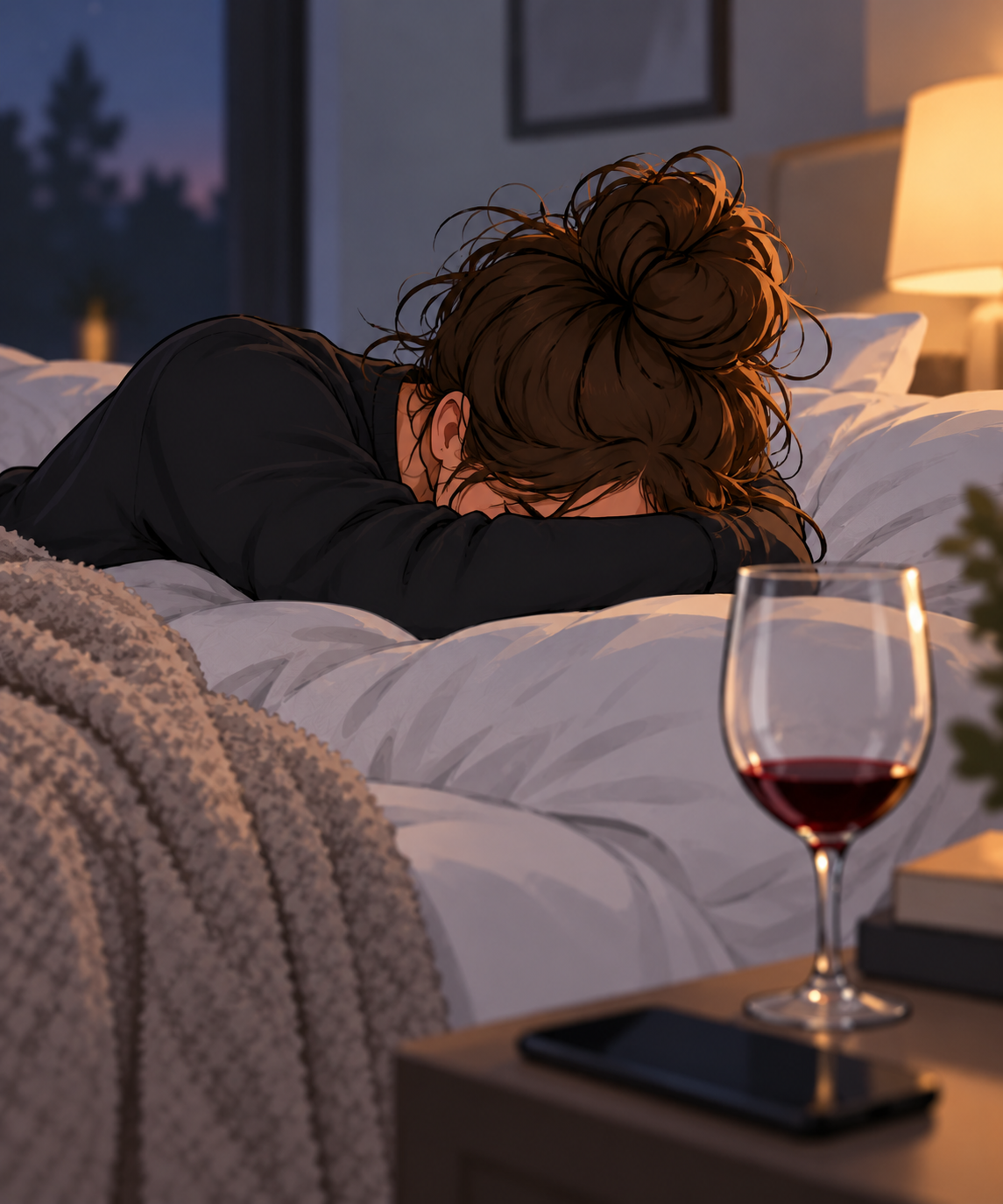
There's something particularly exhausting about being the woman everyone thinks has her life together while secretly struggling with alcohol.
You're leading meetings, making important decisions, managing people, and keeping up with responsibilities.
From the outside, everything looks fine.
But behind closed doors, you're drinking more than you intended.
Maybe you're hiding empty bottles.
Maybe you're Googling how to quit drinking while sitting alone in your kitchen.
Maybe you're waking up every morning wondering how someone who can accomplish so much can struggle with this one thing.
And the hardest part? You don't want anyone to know.
You can be the woman everyone depends on and still be the woman who needs help.
Because what would people think?
Would they question your ability to lead? Would they see you differently? Would they realize you don't have everything together?
So you keep trying to figure out how to quit drinking privately, even though you've already realized you can't keep doing this alone.
But being successful at work doesn't mean you should be able to solve every problem in your personal life without support.
You don't have to lose your career, relationships, or everything you've worked for before you're allowed to take your drinking seriously.
And needing help doesn't erase everything you've accomplished.

How to Quit Drinking Without AA or Residential Rehab
Maybe you've finally admitted to yourself that you need help quitting drinking.
But the thought of going to an AA meeting feels intimidating.
And checking yourself into residential rehab? You can't imagine stepping away from your career, family, and responsibilities for weeks at a time.
So you tell yourself you'll figure it out on your own.
Again.
But getting help with your drinking doesn't have to look just one way.
-
For some women, safely quitting drinking requires medical supervision, especially if physical dependence has developed. Treatment may include withdrawal management, medications, outpatient services, or residential care.
-
Therapy can help you work through anxiety, trauma, emotional patterns, and other experiences that may be connected to your drinking.
-
AA is one option, but it isn't the only one. Programs like SMART Recovery and Refuge Recovery offer different approaches to community and peer support.
-
Coaching can provide accountability, practical tools, and ongoing support as you learn to navigate life without alcohol. It can also help you explore the habits, emotions, and situations that have kept you returning to drinking.
Coaching isn't a substitute for medical treatment or therapy when those services are needed.
The goal isn't to find the one approach that works for everyone. It's to find the right combination of support for you.
You don't have to keep attempting to quit drinking alone simply because the first options you've considered don't feel like a fit.
* If you've been drinking heavily or regularly, talk with a healthcare professional before stopping abruptly. Alcohol withdrawal can be dangerous, and some people need medically supervised care.
5 Things to Do Differently When You Are Ready To Quit Drinking
You've tried making rules, taking breaks, and convincing yourself that this time you'll have more control.
But if those approaches haven't worked, maybe it's time to try something different.
Learning how to quit drinking isn't just about removing alcohol from your life…
It's also about understanding the role it's been playing and building the support and skills you need to move forward.
1
Pay attention to what happens before you want to drink.
Instead of focusing only on how much you're drinking, start noticing what's happening before you reach for alcohol.
Did you just finish a stressful workday? Have an uncomfortable conversation? Spend the entire day meeting everyone else's needs?
Ask yourself: What am I feeling right now, and what am I hoping this drink will do for me?
You might start recognizing patterns you've never paid attention to before.
2
Look at the pressure you’re putting on yourself.
When you're used to being the person who handles everything, slowing down can feel uncomfortable.
Maybe alcohol has become the only time you allow yourself to stop working, stop thinking, or stop worrying about what everyone else needs.
Start noticing how often you push yourself past your limits.
What would it look like to give yourself permission to rest without needing a drink first?
3
Learn how to handle uncomfortable emotions without alcohol.
Stress, frustration, loneliness, anxiety, and disappointment don't disappear when you quit drinking.
And if alcohol has been your primary way of coping with those feelings, you'll need other ways to respond to them.
That might mean learning to recognize what you're feeling, asking for what you need, setting boundaries, or practicing ways to calm yourself when you're overwhelmed.
You don't have to become someone who never struggles.
You need ways to move through difficult moments without automatically turning to alcohol.
4
Stop trying to figure everything out alone.
You can be incredibly capable and still need support.
If you've spent months or years trying to quit drinking privately, consider what might change if you stopped treating this like something you have to solve by yourself.
That support might include a healthcare professional, therapist, recovery community, or sobriety coach, depending on your needs.
Asking for help doesn't mean you've failed. It means you're willing to try a different approach.
5
Start thinking about the life you want without alcohol.
For a long time, your focus may have been entirely on quitting.
How do I stop? How do I get through tonight? How do I make sure I don't start again?
Those questions matter.
But so does asking yourself what you want your life to look and feel like when drinking is no longer taking up so much space.
Maybe you want to wake up feeling proud of yourself.
Be more present in your relationships.
Trust yourself again.
Or finally feel like the woman you've worked so hard to become.
Because the goal isn't just to stop drinking. It's to build a life you no longer feel the need to escape from.


There was always another reason to drink, even when I desperately wanted to quit.
I even went through intensive outpatient treatment three times. THREE TIMES!
But I kept coming back to alcohol.
For years, I thought the answer was figuring out how to stop drinking. Or once I got my next promotion, or next relationship, or whatever, the drinking would just stop on it’s own.
What I hadn't figured out was why I kept turning to alcohol in the first place.
I wasn't paying attention to what I was trying to escape, the emotions I didn't know how to handle, or the pressure I constantly put on myself.
And I certainly didn't want to admit that I couldn't figure this out on my own.
Eventually, I realized that if I wanted my life to change, I needed to do more than just promise myself I'd never drink again.
I needed support. I needed to understand myself. And I needed to learn how to navigate the parts of life I'd spent years trying to numb.
Quitting drinking was one part of my recovery. Learning how to live without alcohol was another.
Today, I bring both my personal recovery experience and my background as a therapist to my work as a sobriety coach.
I know how isolating it can feel to be the woman everyone thinks has everything together while privately wondering if she'll ever figure out how to quit drinking.
And I also know that things can change.
You don't have to wait until your entire life falls apart before deciding you're ready for something different.
How I Finally Quit Drinking After Years of Trying
I know what it's like to desperately want to quit drinking and still find yourself reaching for another bottle of wine.
Because I lived it.
I was a successful, high-functioning woman who looked like she had her life together.
I had a career I was proud of. I was responsible, capable, and good at taking care of everyone else.
But behind closed doors, I was drinking two bottles of wine a night.
And the scariest part was how normal that had started to feel.
I knew my drinking was a problem long before I was ready to admit how much help I needed.
I'd wake up feeling miserable, ashamed, and determined that I was done drinking.
And sometimes I would make it a couple of days.
Until I had a stressful day. Or something upset me. Or I convinced myself that this time I could handle just a few drinks.
INTRODUCING RECLAIM HER
Reclaim Her is my 12-week online sobriety coaching program for successful, high-achieving women who are ready to quit drinking but haven't been able to make lasting changes on their own.
This isn't about creating more drinking rules or seeing how long you can go without alcohol.
It's about understanding what's been keeping you stuck, learning new ways to cope, and getting the support you need to build a life without relying on alcohol.
Inside Reclaim Her, you’ll learn how to:
01. Understand what’s keeping you stuck
Recognize the patterns, emotions, and situations that keep bringing you back to drinking, even when you desperately want to quit.
03. Stop trying to do everything alone
Get consistent support through private coaching, weekly group calls, and a community of women who understand what you're going through.
02. Handle stress and uncomfortable emotions without alcohol
Learn practical ways to manage overwhelm, anxiety, and the pressure you put on yourself.
04. Start trusting yourself again
Move beyond the cycle of broken promises and begin creating a life where alcohol no longer takes up so much of your time, energy, and attention.
Ready to Do Something Different?
You don't have to have everything figured out before asking for help.
Let's talk about where you are with your drinking, what you've already tried, and whether Reclaim Her is the right next step for you.
You Don’t Have to Keep Trying to Quit Drinking Alone
You've spent enough mornings promising yourself you're done drinking.
Enough evenings convincing yourself that one more night won't hurt.
Enough time wondering why you can figure out almost everything else in your life except this.
What if you stopped trying to figure it all out by yourself?